The Origins - Ethiopia (9th Century)
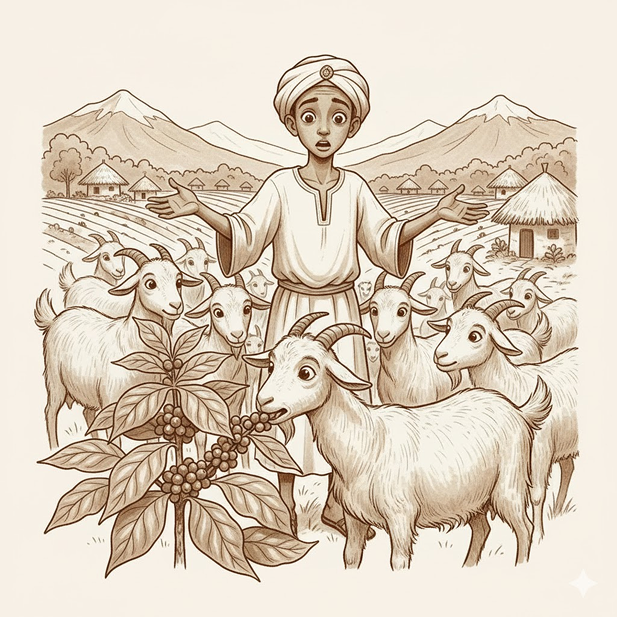
According to legend, coffee was discovered by an Ethiopian goat herder named Kaldi, who noticed his goats becoming energetic after eating red berries from a shrub. Monks later used these berries to stay awake during long prayers — marking the first recorded use of coffee as a stimulant
Coffee Spreads to the Arab World (15th Century)
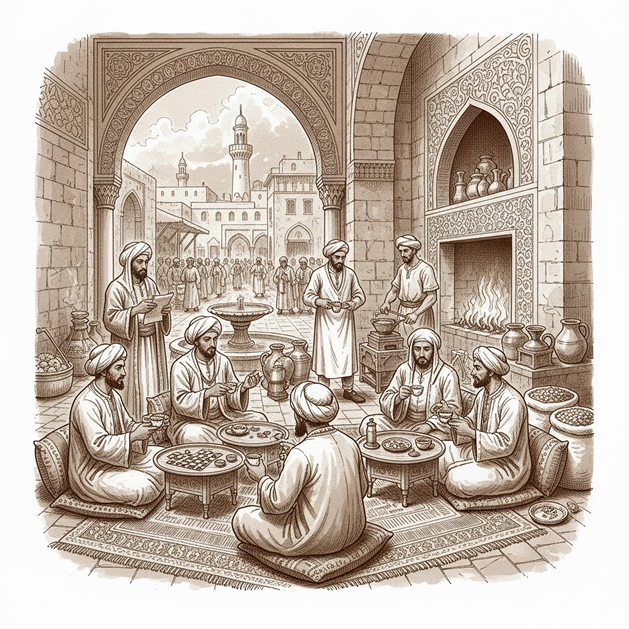
Coffee cultivation began in Yemen, and by the 1400s it was widely consumed in Sufi monasteries to sustain night-long devotions. The port city of Mocha became the world's first major coffee trade hub. Coffeehouses — known as qahveh khaneh — emerged in Mecca and Constantinople, serving as centers for social and intellectual gatherings
Arrival in Europe (17th Century)
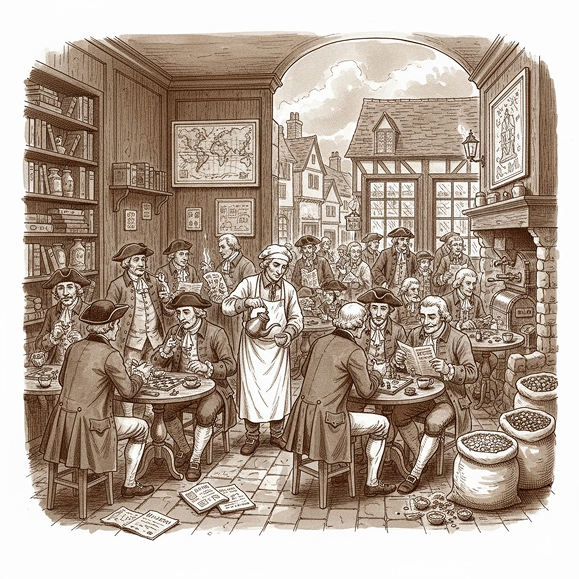
When coffee arrived in Europe through Venetian traders, it was initially controversial — some clergy called it "the bitter invention of Satan." But Pope Clement VIII approved it after tasting it. Soon, coffeehouses flourished in London, Paris, and Vienna, becoming known as "Penny Universities" for the conversations and debates they hosted
Coffee and the New World (18th Century)
European colonists introduced coffee to the Caribbean, South America, and Asia. By the 1800s, Brazil emerged as the dominant producer, reshaping the global coffee trade. The beverage became central to colonial economies and maritime commerce
The Modern Coffee Culture (20th - 21st Century)
The 20th century saw instant coffee become popular during World War II, while Italy revolutionized espresso culture. Later came the "Third Wave Coffee Movement", which emphasized origin, brewing craft, and sustainability — shaping today's specialty coffee scene